


Sustainability
Sustainable society
If you think that it is lovely to have all the resources of the planet and humanity to supply our happy life – you probably are right, it is beautiful. And if you imagine your future generations and wish them to have the same living opportunities as you do, you are thinking of a sustainable society.
The concept of a sustainable society has been around for decades. In 1981, Lester Brown, founder of the Worldwatch Institute, defined it as “one that is able to satisfy its needs without diminishing the chance of future generations.”
Many activists picture a sustainable society as a Venn diagram of three overlapping concerns:
1. Environmental
2. Social
3. Economic
In a sustainable world, each dimension works in harmony with the other. Today’s citizens are given every opportunity to grow and thrive; tomorrow’s resources are preserved and protected.
The concept of a sustainable society has been around for decades. In 1981, Lester Brown, founder of the Worldwatch Institute, defined it as “one that is able to satisfy its needs without diminishing the chance of future generations.”
Many activists picture a sustainable society as a Venn diagram of three overlapping concerns:
1. Environmental
2. Social
3. Economic
In a sustainable world, each dimension works in harmony with the other. Today’s citizens are given every opportunity to grow and thrive; tomorrow’s resources are preserved and protected.
But what does a 21st-century sustainable society look like?
Primarily, it is self-sufficient. Non-polluting, renewable resources provide the power to drive sustainable energy systems; more efficient farming techniques and new technologies improve yields; and reduced consumption helps eliminate waste.
As a result, the environment can be preserved for future generations. Global temperatures could cease to climb, and the quality of air, water, natural habitats, and critical ecosystems would be protected under the full force of the law.
Just as important, in a 21st-century sustainable society, every human has equal access to basic needs like nutrition, shelter, education, and health care. Economic systems are transparent, ethical, and built on fair and equitable practices, and companies employ sustainable methods of production and distribution.
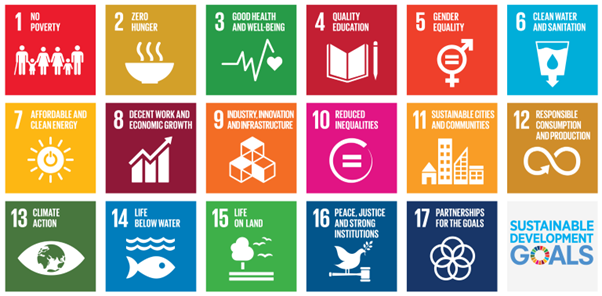
The UN 2030 Agenda for Sustainable Development and the Sustainable Development Goals
It sounds like politicians should care about that, doesn’t it?
But no worries, there is a list of individual steps toward this utopic imagination of our future:
Think twice before shopping.
Switch to reuse (in everything possible)
Simplify the holidays (workcamp is not less exciting than laying on a beach, or?)
Choose organic.
Be water-wise.
Drive less, drive green (big cities do not need cars anymore)
Fight for your rights (eg. when and if to start a family).
There is so much more, but you decide for yourself how deep you want to go to the topic. Our Handbook though could help you collect the ideas!
As a result, the environment can be preserved for future generations. Global temperatures could cease to climb, and the quality of air, water, natural habitats, and critical ecosystems would be protected under the full force of the law.
Just as important, in a 21st-century sustainable society, every human has equal access to basic needs like nutrition, shelter, education, and health care. Economic systems are transparent, ethical, and built on fair and equitable practices, and companies employ sustainable methods of production and distribution.
The UN 2030 Agenda for Sustainable Development and the Sustainable Development Goals
It sounds like politicians should care about that, doesn’t it?
But no worries, there is a list of individual steps toward this utopic imagination of our future:
Think twice before shopping.
Switch to reuse (in everything possible)
Simplify the holidays (workcamp is not less exciting than laying on a beach, or?)
Choose organic.
Be water-wise.
Drive less, drive green (big cities do not need cars anymore)
Fight for your rights (eg. when and if to start a family).
There is so much more, but you decide for yourself how deep you want to go to the topic. Our Handbook though could help you collect the ideas!
Sustainability and you
In this section, we invite you to think about how you can make your camp more sustainable.
Sustainability at the workcamp
Recycling and waste
Tips and tricks
Games and Activities
Sustainable games
Sustainability at the workcamp
Recycling and waste
Tips and tricks
Games and Activities
Sustainable games
CONTACT
Partners